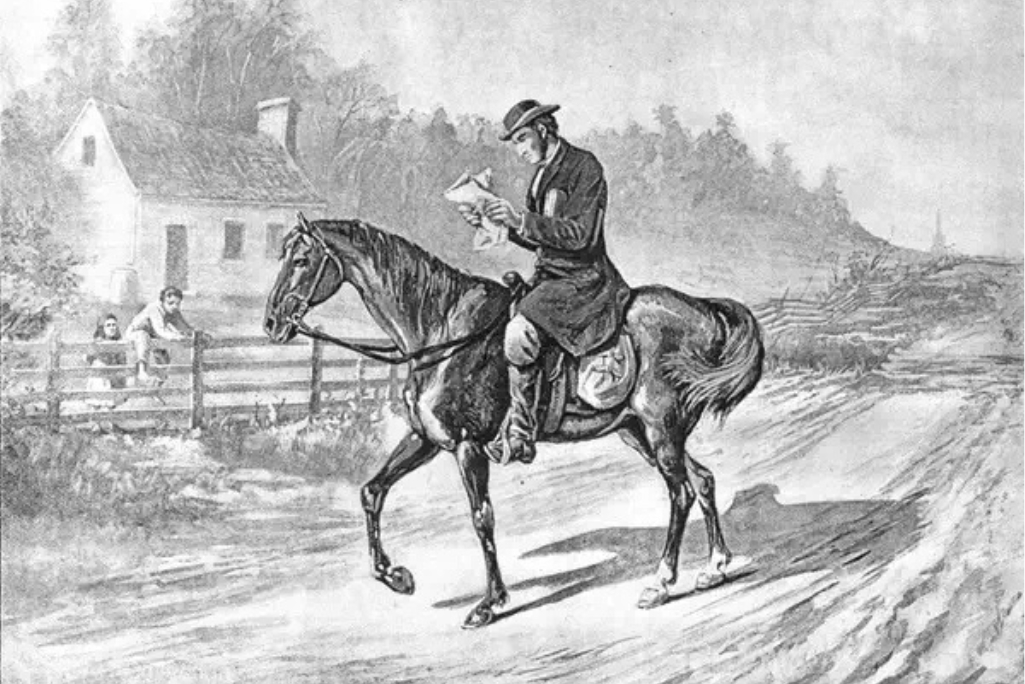
Itinerant preachers were responsible for much of the growth of non-Anglican churches in the years leading up to the American Revolution.
“This battle for religious liberty was fought and won largely by Virginia Baptists, but there are others who have risen in recent years and laid claim to their laurels. Let us keep the record straight.” — L. Peyton Little, Williamsburg, Virginia, 1932
Why was the persecution of Baptists more intense in Virginia than other colonies? How did that persecution lead to religious liberty in America?
Virginia, founded in 1607, was the oldest English colony. Many of the northern colonies were established as havens for religious refugees: Maryland/Catholics, Pennsylvania/Quakers, Massachusetts/Puritans, Rhode Island/Baptists. By contrast, southern colonies were established primarily for commercial purposes, and their governors appointed by either the crown or English trading companies.
By the early 17th century, the Church of England had become the established state church. This meant all Virginians, regardless of denominational preference, were assessed an annual tax to support the state church. Anglican ministers were the only clergy who were authorized to officiate marriages, conduct funerals, serve as chaplains, and who had the liberty to conduct worship services at any location at any time.
After 1689, religious dissenters were governed by the Act of Toleration, which provided limited religious freedom for dissenters under the supervision of the Anglican Church. By the mid 1700s, Virginia had its share of dissenters, including Quakers, French Huguenots, Presbyterians, Mennonites, Lutherans and Baptists.
The First Great Awakening began in the 1740s. During the successive waves of revival, which continued until the Revolution, Presbyterian and Separatist Baptist itinerant preachers shared the gospel, roaming the Virginia countryside. Energized by the Awakening, the denominations experienced dynamic growth as their preachers, in violation of state restrictions, conducted itinerant preaching tours.
Thomas Jefferson noted the contrast between poorly educated, backwoods Baptists and those serving in the Virginia Assembly. Most assemblymen were wealthy “churchmen” (Anglicans) from old Virginia families who often had the benefit of a formal education from William and Mary. The old guard acquired and preserved their wealth and power by their positions in the assembly. Jefferson noted that while the Virginia assemblymen were churchmen, most of their constituents were religious “dissenters.”
Baptists were undermining the authority of the Church of England by their rapid growth and were becoming a political threat to the old guard’s hold on the legislature. One way in which the Anglicans, both in the pulpits and the legislature, could assert their authority and intimidate Baptists was by enforcing the licensing restrictions in the Act of Toleration, which limited where Baptists could preach. Their arrests, beatings and imprisonment became the tools of oppression.
For years, Baptists and Presbyterians petitioned the Virginia Assembly for relief.
In 1775, as the first shots of the Revolution rang out, Baptists switched their pleas to the Virginia Assembly from “religious tolerance” to “religious liberty.” Most of the members of the Virginia Assembly also wanted self-determination and independence from England. They realized they needed the support of Baptists, Presbyterians and others in the fight against the British, and the persecution subsided.
The general consensus of church-state relations had been, if religion is good for people, then it was the state’s responsibility to provide religious services for the people. As the Revolution began, two opposing views of church-state relations emerged. The Anglicans and the Presbyterians (initially) wanted the state to provide a “General Assessment” (tax) plan for the support for “teachers of religion” of all denominations. Baptists, on the other hand, pushed for the disestablishment of the state church, holding the view that there should be no state funding for religion.
Baptists became more politically active during the war, increasingly petitioning Virginia’s governors and the General Assembly. Baptists met once or twice a year in a General Association, composed of Baptist churches from across the state. Individual churches and local associations also prepared petitions and memorials to be presented to the state for consideration. Furthermore, Baptists began backing political candidates who supported their views of religious liberty.
Thomas Jefferson and James Madison increasingly aligned with Baptist views of separation. In 1779, Jefferson presented a bill titled “The Virginia Bill for Religious Freedom,” which espoused the Baptist principle of separation of church and state. The bill was defeated, as were similar bills presented by the opposing side.
In 1784, a “General Assessment” bill, which included state support of religion, was scheduled for a vote by the opposition. A petition in opposition to the bill was signed by thousands of Baptists from across the commonwealth and personally delivered to assembly leaders. The bill was never passed.
Finally in 1786, the General Assembly passed the Virginia Statute for Religious Freedom, and the idea of religious freedom would soon spread beyond the Old Dominion.
The Virginia Bill for Religious Freedom became the blueprint for the First Amendment in the Bill of Rights passed by Congress in 1791. The harsh persecution of Virginia Baptists led to their political activism, which in turn contributed to The Virginia Bill of Religious Freedom and the First Amendment to the U.S. Constitution. It was a long, difficult struggle for Virginia Baptists, but it led the way to freedom.
(EDITOR’S NOTE — Charles Jones is a retired pastor and Baptist historian who lives in Athens, Georgia. This article is Part 3 of a four-part series leading up to the nation’s 250th anniversary on July 4 devoted to the role of Baptists in the development of religious liberty in America. Read the other parts of the series here: Part 1 | Part 2)